Internal Door Lock Types
Door locks are essential for all external doors. Whether they be uPVC euro cylinders or multipoint gearbox mechanisms they are your first line of defense when it comes to home security. The higher quality of your door locks the more secure your home will be. With that being said, door locks are an integral part of your whole property. Interior door locks may not act as security features but they still do an important job.
At Ironmongery Solutions, we have an array of different types of locks available for purchase. We understand that it can be challenging to differentiate between the many styles and their uses. As a result, in this article, our team of specialists will guide you in understanding the different styles of locks on the market and which one you will need.
- Cylinder Lock
A Cylinder Lock consists of a keyhole and a mechanism, all within one cylindrical-shaped lock. Pins of varying shapes and sizes need to be moved to the right position within the cylinder in order to open, which can only be done by a specific key shape. Cylinder locks come in two different shapes – euro and oval – and can be single or double cylinder – single cylinders are only operated by a key on one side, whereas double cylinders are operated by keys on both sides.
- Door Latch
A Door Latch is a mechanism that connects the door to the door frame. Generally, the latch fits into a pre-cut hole in the door frame, but can also attach to a catch on the outside of a frame. The door latch ensures the door remains in place when closed.
- Mortice Lock
Mortice Locks are designed to fit into the edge of the door, as opposed to on the side of the door, requiring a pocket to be cut into the door before it is fitted, and a strike plate to be fitted into the door frame. Mortice locks range from 2 to 7 levers, increasing in security with every lever that is added. They are seen as more aesthetically pleasing, as less of the lock is visible, and are secure because the majority of the locking system is within the door.
Parts of a Mortice Lock
The mechanism of a mortice lock is relatively large and has two parts: the body of the lock and a sprung latch. The lock’s body includes a strong locking bolt, which you will operate by using a key. When you use the lock, the lock bolt retreats into the door, allowing you to open the door quickly. The sprung latch will move with the Door Handle, working similarly to a tubular latch, to keep the door closed without being locked.
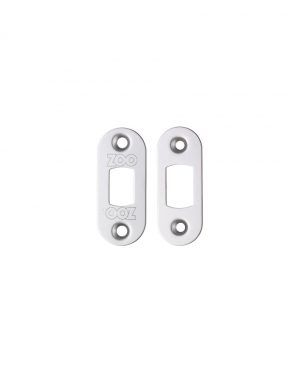
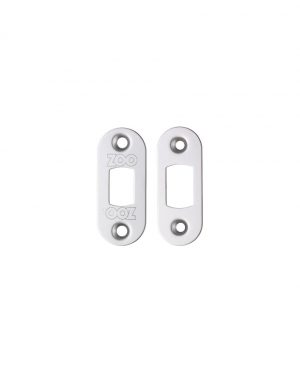
Along with the Internal Door Locking system, mortice locks incorporate other components also; this includes the strike plate and the faceplate. The strike plate allows the bolt to sit straight into the door frame when the door is closing and protects the wood by preventing scuffing or marking. The faceplate attaches to the edge of the door, opposite the strike plate.
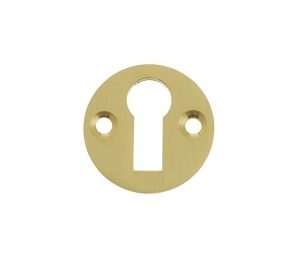
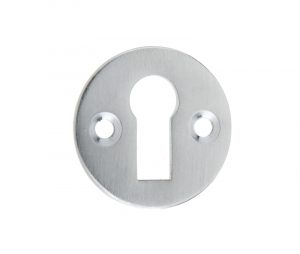
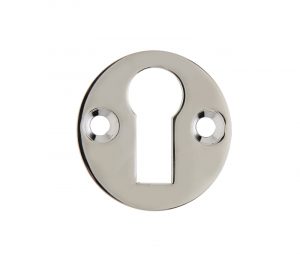
Additional door accessories for mortice locks may include an escutcheon plate when installing a doorknob or a lever-on-rose door handle. An escutcheon plate will protect the door around the keyhole to prevent scratches or marks from your keys.
- Sash Lock
A Sash Lock has a non-locking sprung latch built-in, as well as a deadbolt lock that will lock the door when the key is turned. This means that if the door is unlocked, it can still remain closed due to the sprung latch, generally operated by a handle, but it can also be locked for security reasons with a key.
- Night Latch
A Night Latch is mounted onto the surface of a door instead of being fitted into the edge of a door. The latch is fitted onto the internal side of the door, and the rim cylinder is fitted onto the external side. The bolt fits into a casing that is fitted onto the door frame and can only be withdrawn using the internal lever or turning a key from the outside. Often a button on the internal latch can be used to hold the bolt back.
- Bathroom Lock
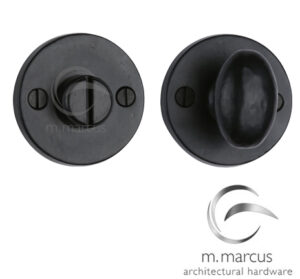
Bathroom Locks are primarily for privacy over security; however, you should still invest in a bathroom lock that is reliable and long-lasting. Most bathroom doors will feature a thumb-turn and release lock, the ideal solution to your internal bathroom door needs.
You must pair thumb-turn and release locks with a bathroom mortice lock. In case of emergency, you can unlock the thumb-turn lock by using a coin on the outside of the door.
When selecting a bathroom lock, you should consider the type of door handle that you purchase or already have fitted on your bathroom doors.
We design our bathroom locks to operate with doorknobs, lever-on-backplate handles, and lever-on-rose handles.
However, please note that whilst we equip lever-on-backplate bathroom door handles with a thumbturn lock, you need to purchase a separate thumbturn lock & release for lever-on-rose Door Handles and Doorknobs.
- Multi-Point Locking System
Multi-point Locking System consists of a number of bolts, or locks, that lock at different points of the door with one turn of a key. They generally include a deadbolt and several hock bolts, or compression bolts. Multi-point locks are most commonly seen on PVCu and composite doors and generally operate by lifting the door handle before turning the key.
- Door Chain
A Door Chain consists of a small chain fixed to the door frame and a small track on the door’s surface into which the chain slides. Not to be used individually, door chains are an ideal lock type to use alongside other types of locks. The purpose of a door chain is to allow individuals inside the house to open the door slightly whilst ensuring individuals outside cannot gain unauthorized access to the home whilst the door is open. You can slide the chain into place when the door is closed to add an extra level of protection to your home.
- Door Bolts
A Door Bolt is a straightforward, accessible lock type that primarily focuses on privacy rather than security. Available in many forms, from Straight Bolts to Cranked Bolts and can sit alongside other locks to reinforce the room’s privacy. Our door bolts feature a metal case with a solid bolt operated with a knob on the bolt. The catch plate sits on the door frame to allow users to lock the door by sliding the bolt across into the catch plate. Door bolts are ideal for adding privacy to bathrooms, securing an outdoor gate, or adding to any rooms you wish to lock from only one side. Without needing keys to operate these locks, their simplicity is their main selling point and is the reason for their inclusion across many properties.
- Conclusion
There is a multitude of Door Locks available to purchase, from mortice locks to thumbturn locks and door chains. The main deciding factor as to which lock to choose is to consider which room you will be securing. For example, you should select a specific bathroom lock for bathrooms, but you may want to pick a 2 or 3-lever mortice lock for your bedroom door. Enhance the security of your home by adding our Internal Door Locks. Discover your ideal lock type by perusing our collection of Internal Door Locks.
Checkout our Whole Collection:
https://ironmongerysolutions.co.uk